
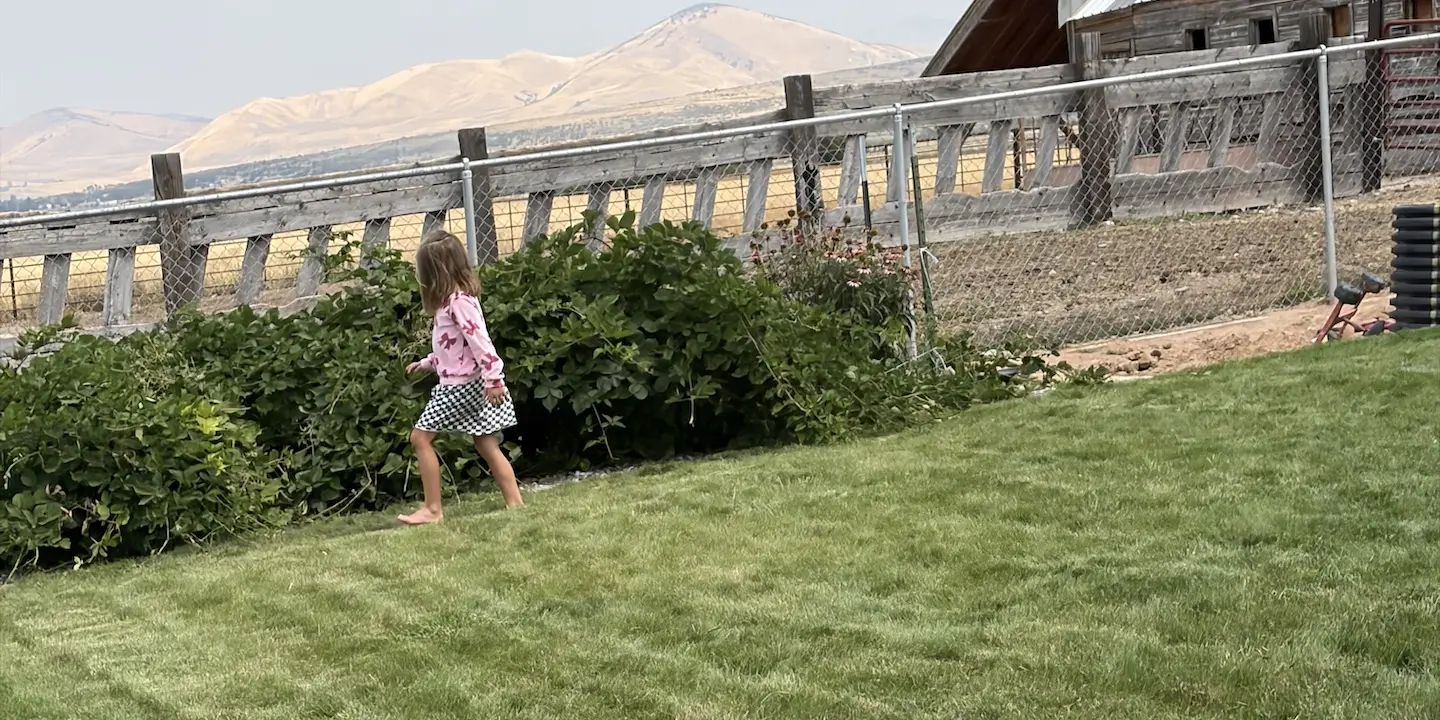
There’s something satisfying about growing food on your own property. Whether you own one acre or forty, planting a garden, fruit trees, or a berry patch can turn a piece of land into a place your family looks forward to visiting year after year.
Raspberries are a great place to start.
Once established, raspberry plants can come back year after year and produce fresh berries throughout the growing season. They don't require a huge amount of space, either, making them a fun addition to a rural property, homestead, or even a small backyard.
If you're thinking about planting raspberries, here are some of the basics to know.
1. Choose the Right Location
Raspberries generally perform best with plenty of sunlight. Look for an area that receives around six to eight hours of direct sunlight per day.
Good drainage is also important. Raspberry roots don't do well sitting in constantly wet soil, so avoid low spots where water tends to collect.
Before planting, consider:
Sun exposure
Soil drainage
Access to water
Room for the plants to spread
Protection from animals
A little planning in the beginning can make maintaining your raspberry patch much easier later.
2. Prepare the Soil
Healthy soil can make a big difference in how well your raspberries grow.
Before planting, loosen the soil and consider adding compost or other organic matter. A soil test can also tell you whether the soil needs amendments before you plant.
This is especially important with rural and off-grid land. Soil conditions can vary dramatically from one property to another, so don't assume that every piece of ground is immediately ready for a garden.
3. Decide What Type of Raspberry to Plant
There are many raspberry varieties, but they generally fall into two groups: summer-bearing and everbearing (or fall-bearing) raspberries.
Summer-bearing plants generally produce one main crop, while everbearing varieties can produce later in the season and, depending on how they're managed, may produce more than once.
Your local climate matters, so look for varieties recommended for your growing zone.
4. Give Them Room to Grow
A few little raspberry plants may not look like much when you first put them in the ground, but give them time!
Raspberries spread by producing new shoots from their root systems. Over time, a small planting can develop into a substantial raspberry patch.
Leave enough room between plants and rows to walk, weed, prune, and eventually pick berries.
A simple trellis or wire support can also help keep taller canes upright and make the patch easier to manage.
5. Don't Forget About Water
This can be one of the biggest considerations when gardening on rural land.
If your property doesn't have a traditional water connection, you'll need to think about how you're going to keep your plants watered.
Depending on the property, options might include:
A private well
Water storage tanks
Hauling water
Rainwater collection where permitted
Drip irrigation
Drip irrigation can be especially useful because it delivers water directly around the plants without watering the entire area.
If you're buying land with gardening or homesteading in mind, water should be one of the first things you investigate.
6. Expect a Little Work Each Year
Raspberries aren't completely maintenance-free.
Depending on the variety, you'll need to remove old canes, control weeds, manage new growth, and occasionally thin the patch.
You'll also probably discover that you aren't the only one who likes raspberries.
Birds and wildlife may find your berry patch just as quickly as you do, so netting or fencing may eventually be worth considering.
Gardening Is One of the Joys of Owning Land
A garden doesn't have to be huge.
You might start with a few raspberry plants and eventually add:
Strawberries
Fruit trees
Potatoes
Tomatoes
Corn
Pumpkins
Raised garden beds
Over time, a bare piece of ground can become somewhere your family grows food, works together, and creates traditions.
That's one of the things we love about land ownership. The land can become whatever you want to make of it.
Thinking About Buying Land for a Garden or Homestead?
If gardening, homesteading, camping, or simply having more room is part of your dream, take the time to find a property that fits those plans.
Pay particular attention to water availability, soil, climate, zoning, and access before purchasing land specifically for agricultural use.
At High Creek Land, we offer recreational and off-grid properties in a variety of sizes, many with simple owner-financing options.
Browse our available properties on the High Creek Land property map.